The thyroid gland produces hormones that regulate metabolism, body temperature, heart rate, energy, and mood. When it underperforms (hypothyroidism), the result is weight gain, fatigue, cold intolerance, depression, and brain fog. When it overperforms (hyperthyroidism), anxiety, weight loss, palpitations, and insomnia follow.
What most people are not told is that thyroid function is profoundly sensitive to nutritional status. Several micronutrients are directly required for the synthesis, conversion, and cellular uptake of thyroid hormones — and deficiencies in these nutrients are extremely common in India. Addressing these through diet and targeted supplementation can meaningfully improve thyroid function alongside medical management.
Iodine and Selenium: The Two Most Critical Minerals
Iodine is the raw material from which thyroid hormones T3 and T4 are made. In India where iodised salt is widespread, the more common problem is selenium deficiency — which is required to convert inactive T4 into active T3. Without adequate selenium, blood T4 levels may be normal while cellular hypothyroidism persists. Brazilian nuts are the richest food source of selenium, but Indian dietary sources include sunflower seeds, eggs, whole grains, and certain fish. Selenium also protects the thyroid from oxidative damage caused by autoimmune thyroiditis.
Goitrogenic Foods: The Nuanced Reality
Goitrogens are compounds in cruciferous vegetables — cabbage, cauliflower, broccoli — that can interfere with thyroid hormone production in large raw quantities. This has led many thyroid patients to eliminate these highly nutritious foods entirely, which is unnecessary. Cooking substantially deactivates goitrogenic compounds, making cooked cauliflower and cabbage perfectly safe for most people with thyroid conditions. Raw cruciferous vegetables in large quantities consumed daily are better moderated, particularly in iodine-deficient individuals.
Gut Health and Thyroid Absorption
Approximately 20% of T4 to T3 conversion occurs in the gut, facilitated by gut bacteria that produce the enzyme intestinal sulfatase. Dysbiosis directly impairs thyroid hormone activation. Additionally, levothyroxine is poorly absorbed in the presence of gut inflammation or H. pylori infection. Healing the gut through fermented foods, fibre-rich vegetables, and reduced processed food intake is therefore directly therapeutic for thyroid health — not tangentially related.
A Thyroid-Supportive Daily Diet
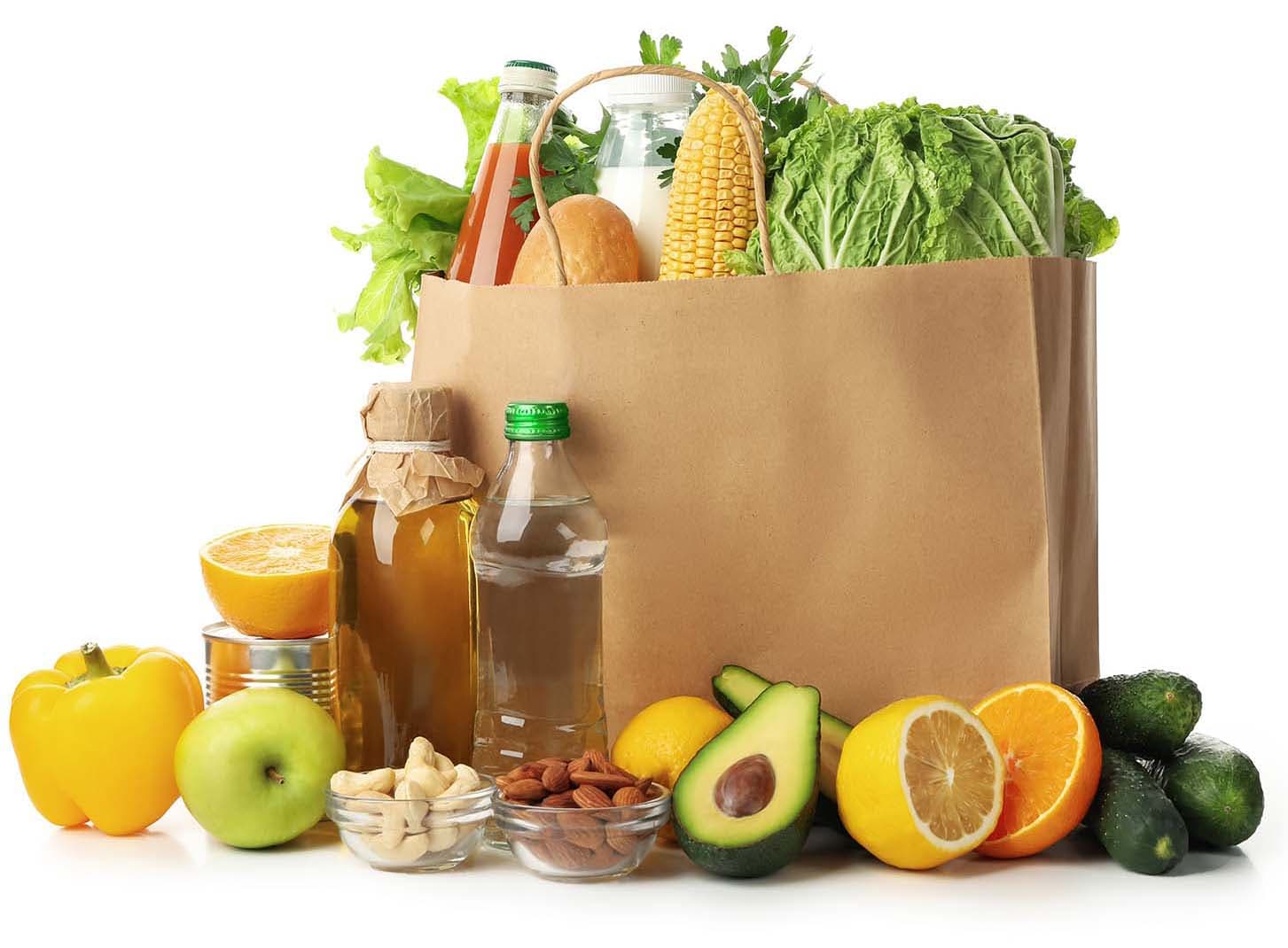
A thyroid-supportive diet centres on whole foods rich in key micronutrients: selenium from sunflower seeds and eggs, zinc from pumpkin seeds and chickpeas, iron from ragi and spinach, vitamin D from egg yolk and sun exposure, and magnesium from dark leafy greens and nuts. Minimising ultra-processed foods and soy in large quantities supports a calmer immune environment around the thyroid and improves the effectiveness of any thyroid medication being taken.
Thyroid health is not purely a medical issue — it is deeply nutritional. Optimising the micronutrients required for thyroid hormone production, conversion, and uptake, while healing the gut and reducing inflammatory burden, provides a powerful foundation that makes medical management more effective and may reduce medication requirements over time.