Polycystic Ovarian Syndrome is not simply a reproductive condition — it is a complex metabolic disorder with roots in insulin resistance, chronic low-grade inflammation, and hormonal dysregulation. Understanding this is critical because it explains why the right dietary approach targets all three of these mechanisms simultaneously, rather than just trying to reduce weight or regulate periods in isolation.
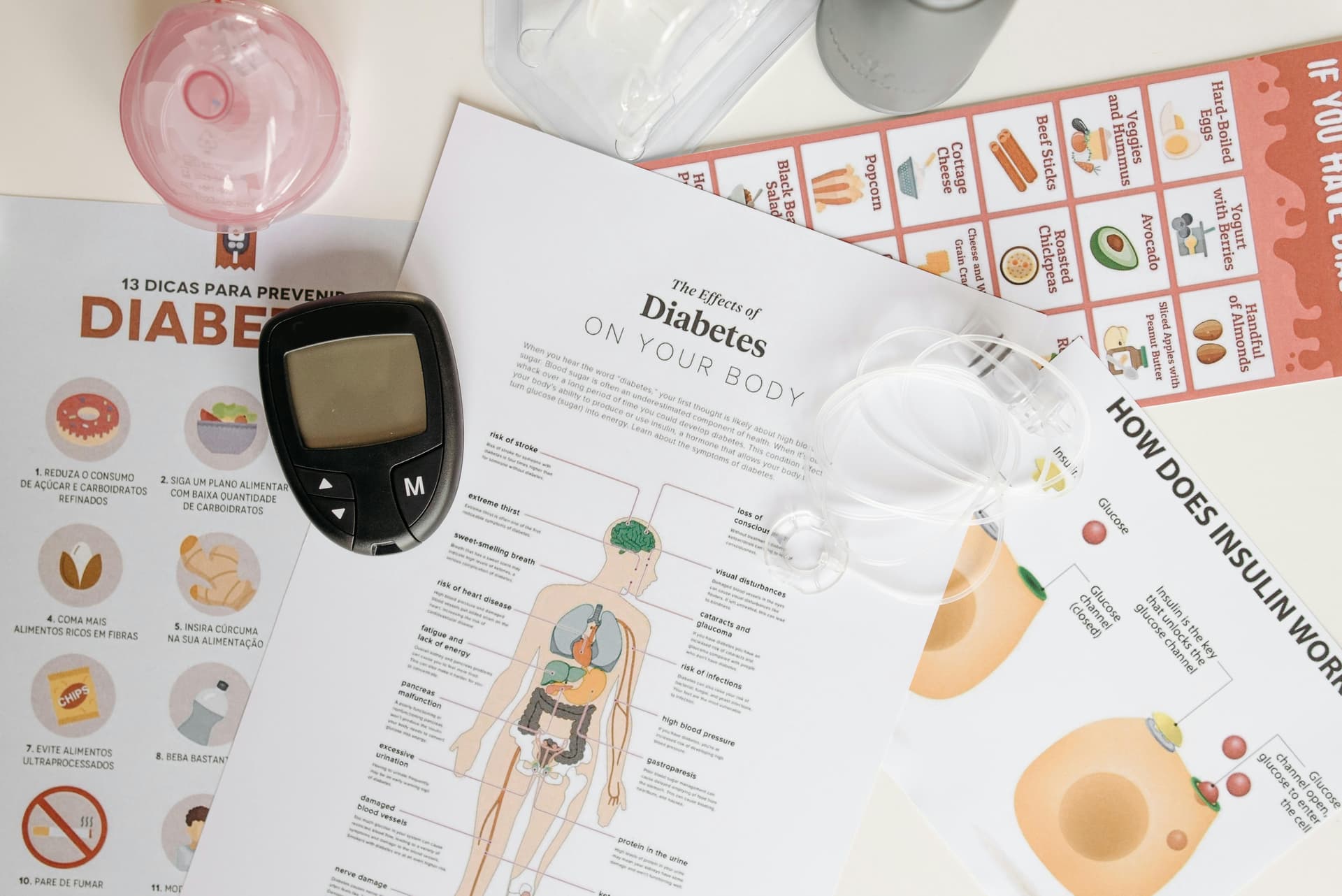
Approximately 70% of women with PCOS have some degree of insulin resistance, even those who are not overweight. When insulin levels are chronically elevated, the ovaries are stimulated to produce excess androgens (male hormones like testosterone), disrupting the hormonal environment required for regular ovulation. The most direct dietary intervention is therefore anything that improves insulin sensitivity.
Carbohydrates: Quality Over Quantity
Women with PCOS are often told to avoid carbohydrates entirely, which is neither sustainable nor necessary. The critical distinction is between high-glycaemic refined carbohydrates — white rice, maida, sugar, processed snacks — and low-glycaemic complex carbohydrates like whole millets, barley, oats, and fibre-rich vegetables. Replacing refined carbs with these alternatives reduces post-meal insulin spikes, lowers androgen production, and can restore regular ovulation within three to four cycles in many women.
Anti-Inflammatory Eating for PCOS
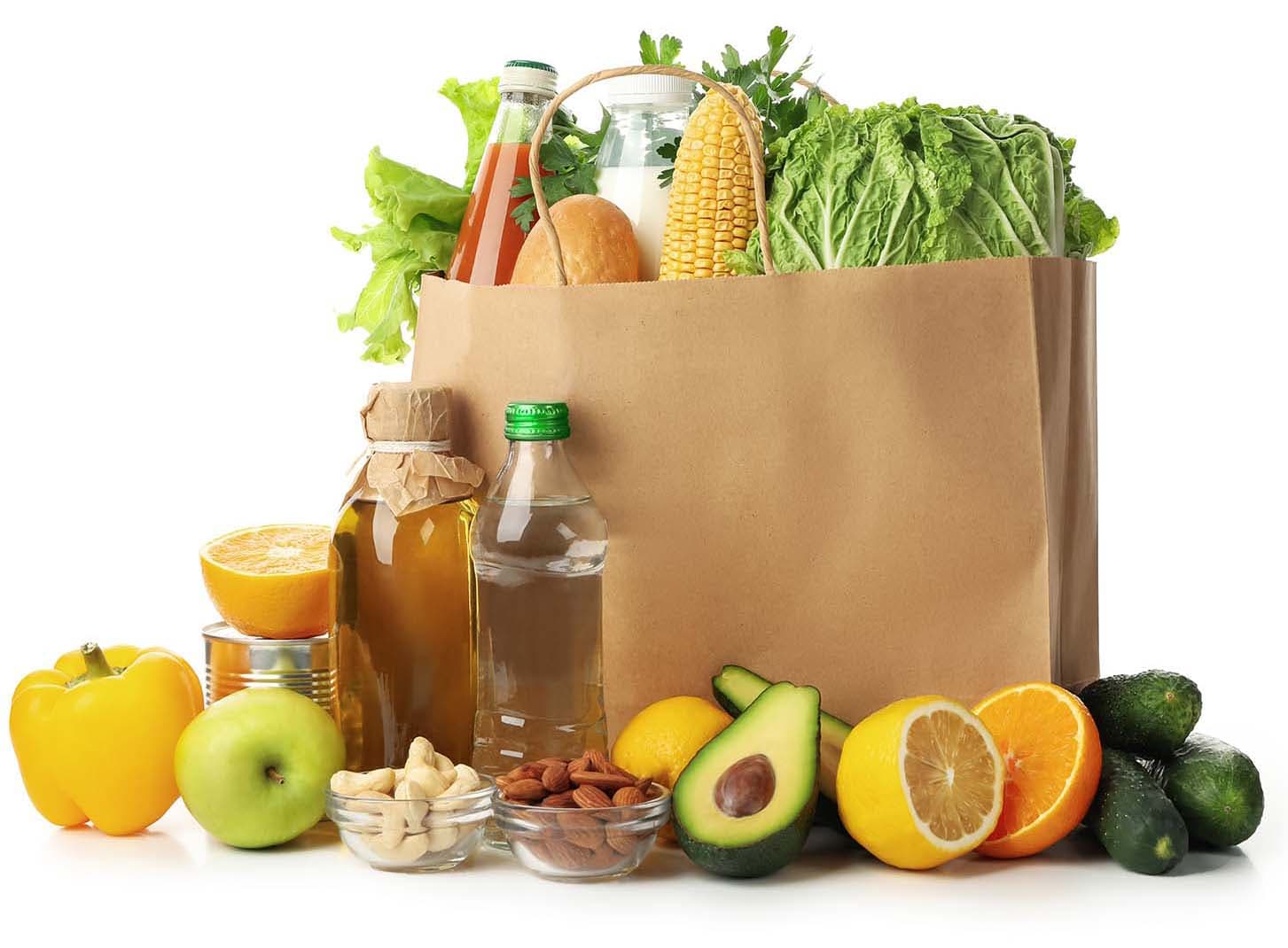
Chronic inflammation is both a cause and consequence of PCOS. It disrupts ovarian function, worsens insulin resistance, and drives mood disturbances. An anti-inflammatory dietary pattern includes omega-3 rich foods like flaxseeds, walnuts, and fatty fish; antioxidant-rich coloured vegetables and fruits; and spices like turmeric, ginger, and cinnamon. Conversely, pro-inflammatory foods to minimise include processed vegetable oils, deep-fried foods, refined sugars, and processed meats.
The Role of Inositol-Rich Foods
Inositol — particularly myo-inositol — has emerged as one of the most evidence-backed nutritional interventions for PCOS. It improves insulin signal transduction in ovarian cells, reduces testosterone production, and supports egg quality. Food sources include buckwheat (kuttu), cantaloupe, citrus fruits, whole grains, and legumes. Including these regularly in the diet provides a meaningful amount of this nutrient alongside synergistic fibre and antioxidants.
Foods That Worsen PCOS
Several commonly consumed foods have specific negative effects in PCOS. Dairy in large quantities can raise IGF-1 and androgen levels in susceptible women — moderating it and preferring fermented forms like curd and chaas is advisable. Caffeine in excess raises cortisol, which worsens adrenal androgen production. These are nuanced recommendations that depend on individual hormonal profiles — not blanket rules applicable to every woman with PCOS.
PCOS is manageable and, for many women, significantly reversible through nutrition. The key is a personalised approach that addresses your specific hormonal profile — not generic low-carb or weight-loss advice. With the right dietary framework, consistent support, and patience, regular cycles, reduced symptoms, and improved fertility are achievable without aggressive medication in the majority of cases.