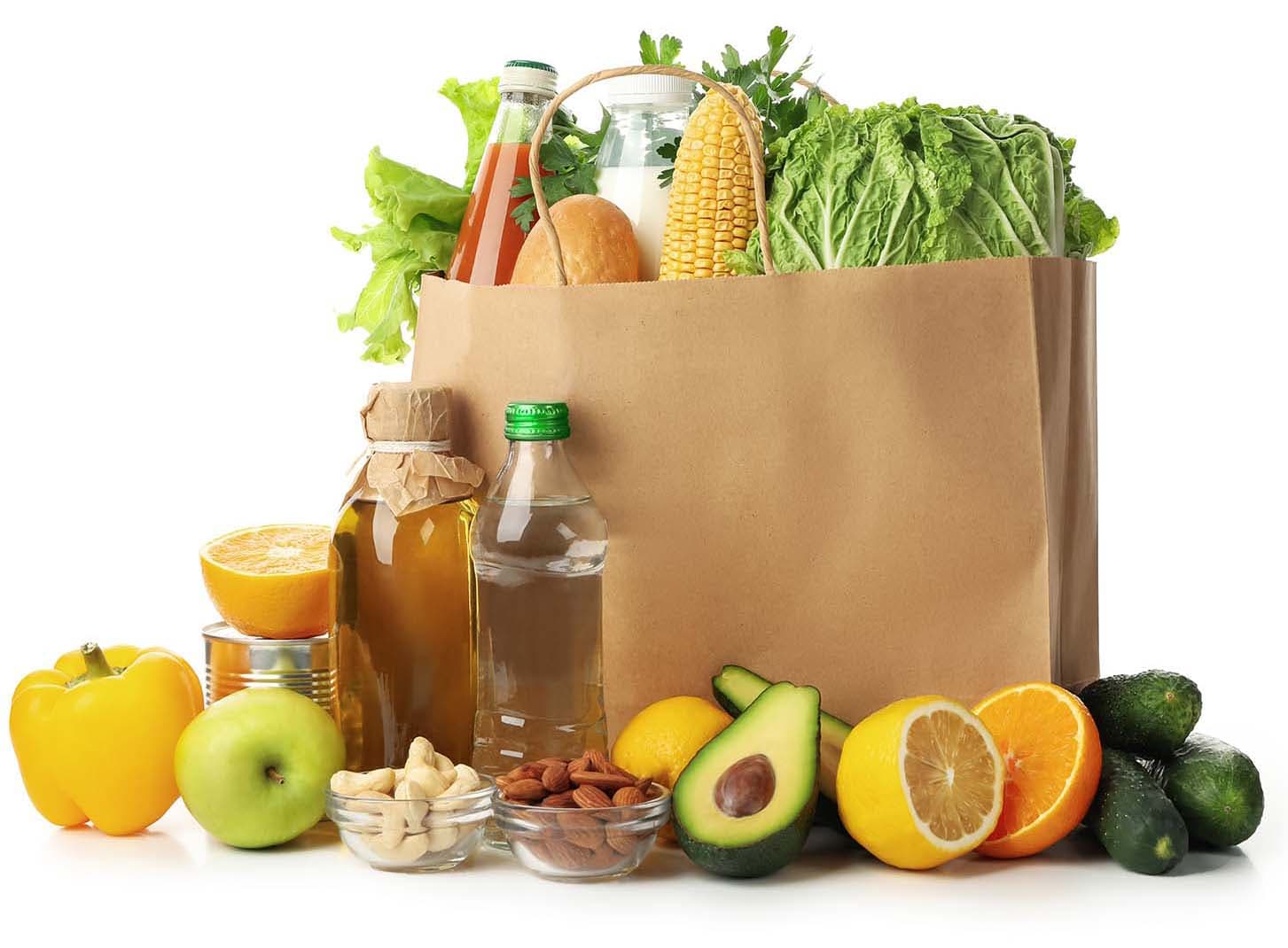
Chronic Kidney Disease affects approximately 17% of India's adult population, making it a significant and underrecognised public health crisis. What most patients are not told upon diagnosis is that dietary intervention is one of the most powerful tools available — more so in early-to-mid stage CKD than pharmacological treatment alone. The kidneys filter approximately 200 litres of blood daily, and the composition of what they are asked to filter directly determines how fast they decline.
Renal nutrition is nuanced and must be individualised based on GFR (filtration rate), serum electrolyte levels, presence of diabetes or hypertension, and protein intake. Generic advice to "eat less salt" misses most of the picture. Here is a comprehensive framework for understanding what your kidneys need from your diet.
Protein: How Much Is Too Much?
The kidneys clear the metabolic waste products of protein digestion — urea, creatinine, uric acid. In CKD patients, excess protein accelerates glomerular pressure and hastens decline. The standard recommendation for CKD patients (stages 3-5, not on dialysis) is a low-protein diet of 0.6-0.8g per kilogram of body weight daily. However, protein quality matters as much as quantity: high-biological-value proteins from eggs and well-cooked lentils are preferred over red meat. Plant-based proteins are generally gentler on the kidneys and produce lower levels of uremic toxins.
Managing Potassium and Phosphorus
As kidney function declines, the ability to excrete potassium and phosphorus diminishes, leading to dangerous elevations that affect heart rhythm and bone health respectively. High-potassium foods to moderate in advanced CKD include bananas, potatoes, tomatoes, oranges, and coconut water. Boiling vegetables and discarding the water (leaching) significantly reduces potassium content. Phosphate additives in processed foods and cola drinks are rapidly absorbed and particularly harmful — their avoidance is one of the most high-impact dietary changes for CKD patients.
The Role of Hydration
In early CKD, adequate hydration is protective — it dilutes uremic toxins, prevents kidney stone formation, and maintains blood flow to the kidneys. However, in later stages or when there is fluid retention, fluid restriction becomes necessary. Coconut water, despite being marketed as a kidney health drink, is very high in potassium and is contraindicated in CKD. Barley water and ash gourd juice — traditional Indian remedies — are considerably more appropriate for kidney patients.
Anti-Inflammatory Foods for Kidney Protection
Foods with established kidney-protective properties include garlic (reduces oxidative stress), turmeric (curcumin reduces NF-kB driven kidney inflammation), cauliflower (low-potassium, high-antioxidant), red bell peppers (rich in lycopene with low potassium), and cabbage (prebiotic fibre that reduces uremic toxin production by modifying gut bacteria composition). These foods are accessible, affordable, and deeply integrated into Indian cooking.
The kidney diet is one of the most medically significant nutritional interventions available to patients with CKD — and one of the most personalised. The principles outlined here provide a framework, but specific recommendations must be calibrated to your current blood reports, GFR stage, and comorbid conditions. Working with a specialised renal nutritionist is an essential part of slowing disease progression and protecting quality of life.